
A classroom prize box for thirty kids: which toys and kits last a school year
A prize box is not a party bag scaled up. The same thirty kids choose toys and small kits from it again and again for forty weeks, which breaks every assumption that works for a one-afternoon event.
Count by choices, not by children
A class of thirty where each child picks roughly once a fortnight is around six hundred choices across a school year. You are not buying thirty prizes, you are buying six hundred, which is why the 1000-piece assortment exists and why a 200-piece box that looks enormous in September is empty before half term.
Variety is the thing that wears out, not the toys
The box fails when a child looks in and sees only the kind nobody picked. Thirty-one kinds in one assortment is not a marketing number, it is the floor for a box that still feels worth choosing from in March. Keep two or three kinds back in a cupboard and add them in January, and the box reads as restocked rather than depleted.
What survives being chosen repeatedly
Mini fidget spinners, because they work instantly and the steel bearing outlasts the term. Small puzzles and stretchy things, because they get used in the five minutes after being won. What does not survive: anything needing batteries, anything with a single sticker that peels off, and anything where half the class already has one.
Bagging and handing out
The 28-piece spinner set ships already in individual bags with blank gift cards, which is the quiet thing that saves the most time: a prize that can be handed over without being dug out of a communal tub is a prize that gets handed over. For the loose assortments, bag a week's worth on a Sunday and the Friday handover takes ten seconds.
Toys, craft kits and what thirty kids actually pick
Let's be honest about the hierarchy: anything that moves goes first, anything that glows goes second, and the flat printed things sit at the bottom until March. A craft kit is the exception — one or two craft kits held back as the big prize of the half term work harder than thirty small toys, because a kit is a project rather than an object and it goes home as something to build.
What the box is really doing
A prize box is a tiny economy and the learning in it is real. Children count their choices, trade, wait, and discover that the mini thing they wanted is gone. That is a game with safety rails. The collection matters more than any single piece, which is why variety beats size, and why a box of five hundred identical erasers is worse than two hundred mixed ones.
Keeping it alive to May
Put a little of everything in and hold some back. Rotate in January. Add one craft set in March when the mix looks tired. The magic of a restocked box is out of all proportion to its cost, and the joy on the face of a six year old choosing is the entire return on it. Children love it, teachers get a working lever, and the whole world of it costs less than a classroom set of exercise books. Use imagination on the rotation, not on the budget.
The fun part, and the part that is not
The fun is watching what gets chosen. Two children will pick the same thing for three weeks and then both switch overnight for no reason anybody can name. The part that is not fun is the sorting, so do it once: tip the assortment out, group the designs by kind, and bag a week of prizes on a Sunday. After that the box runs itself.
One activity kit, held back
Keep a single craft kit on the shelf above the box as the end-of-term prize and the whole activity changes shape — children work together toward it rather than choosing alone. It costs about the same as thirty small prizes, the creativity it produces is real because there is a project at the end of it, and the winner takes home something to play with for a fortnight rather than four minutes.
Fidget Spinners in Bulk
Mini nicknack spinner toys by the carton — classroom boxes, egg hunts and party lines, counted by hand before the bag is sealed.
-
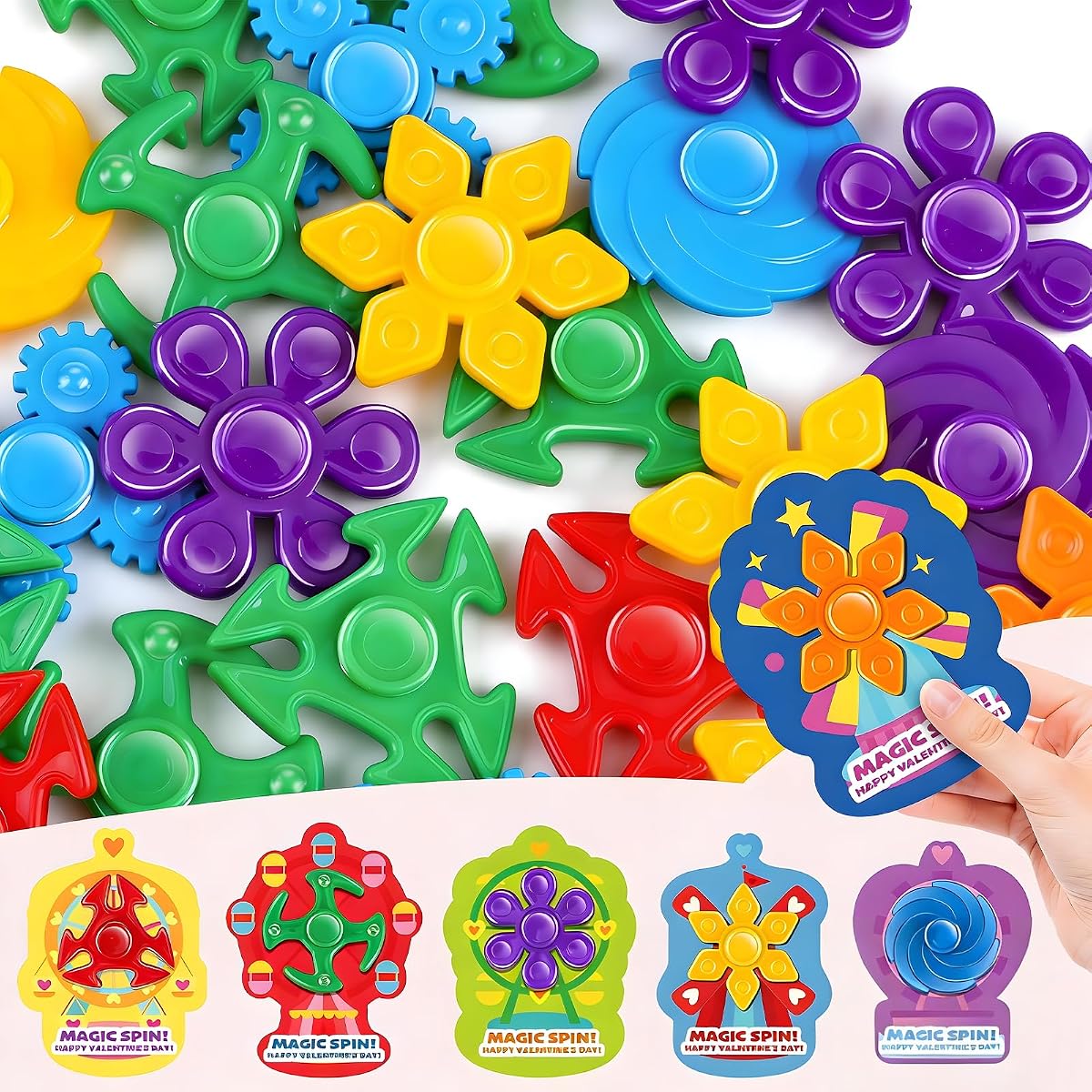
28 Fidget Spinners with Gift Cards
★★★★½4.6 from 43 ratingsTwenty-eight spinners, twenty-eight cards with a space for names, and twenty-eight bags to put them in.
School age and up — small parts$28.99 -
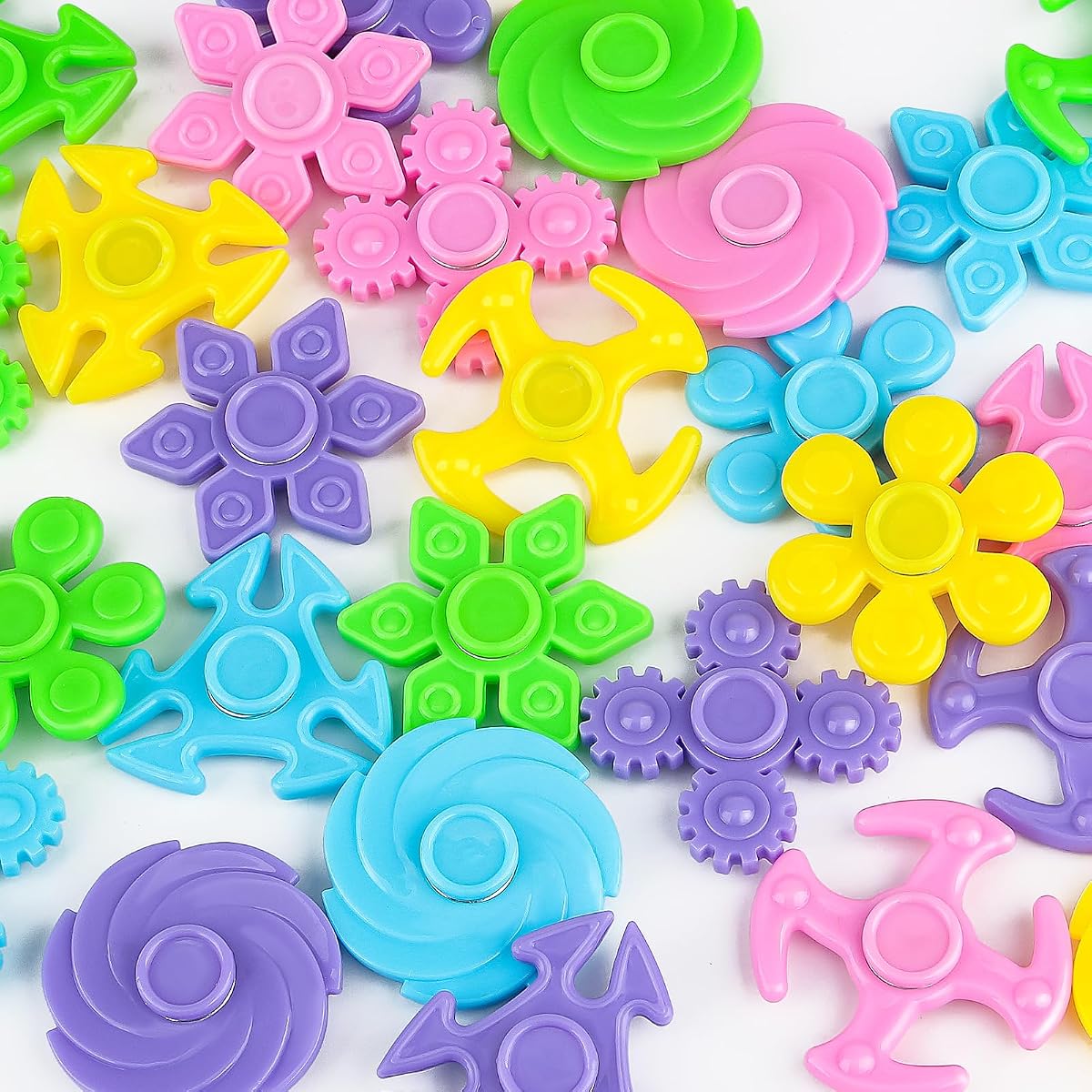
60 Easter Mini Fidget Spinners
★★★★½4.6 from 43 ratingsSixty spinners in pastel colours, small enough to drop into a plastic egg and close it.
School age and up — small parts$28.99 -
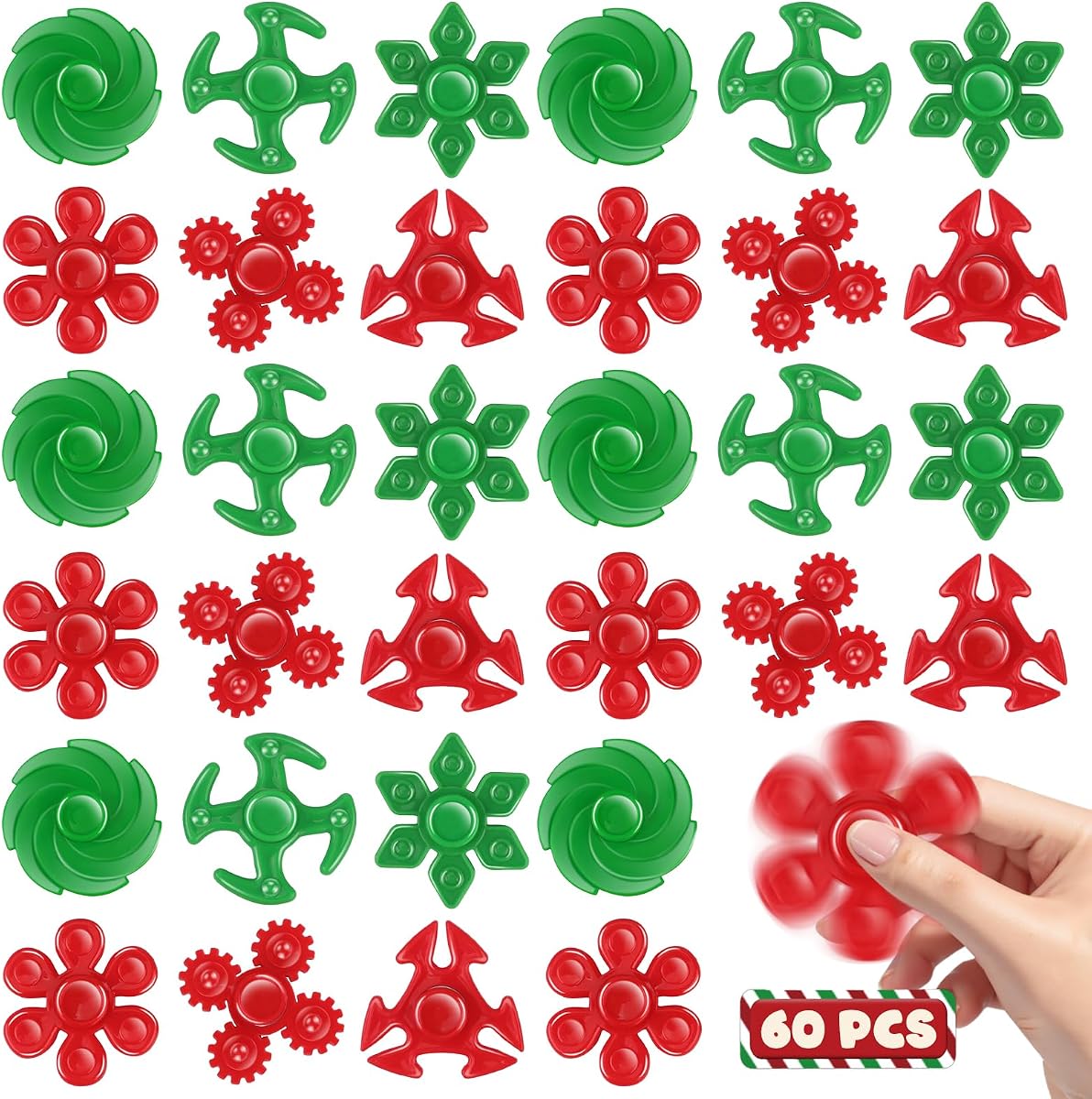
60 Christmas Mini Fidget Spinners
★★★★☆4.1 from 13 ratingsSixty red and green spinners that stack into a miniature tree when the party is over.
School age and up — small parts$14.99
Asked at the booth
How many prizes does a class of thirty need for a year?
Around six hundred, at roughly one choice per child per fortnight. That is what a 1000-piece assortment is sized against.
Why do bulk fidget spinners work well as classroom prizes?
They work the instant they are won, they are quiet if the bearing is steel, and they cost little enough per child to hand out all year.